Our work emphasizes engagement across science, policy, and communities, with the goal of ensuring that research contributes to real-world decision-making and practice. Across different contexts, we aim to bridge analytical research with applied outcomes by working with international organizations, policymakers, and local communities. This engagement spans global assessments, national and state-level policy processes, and field-based collaboration, reflecting a commitment to producing knowledge that is both rigorous and actionable.
Science–Policy Interface (IPBES)
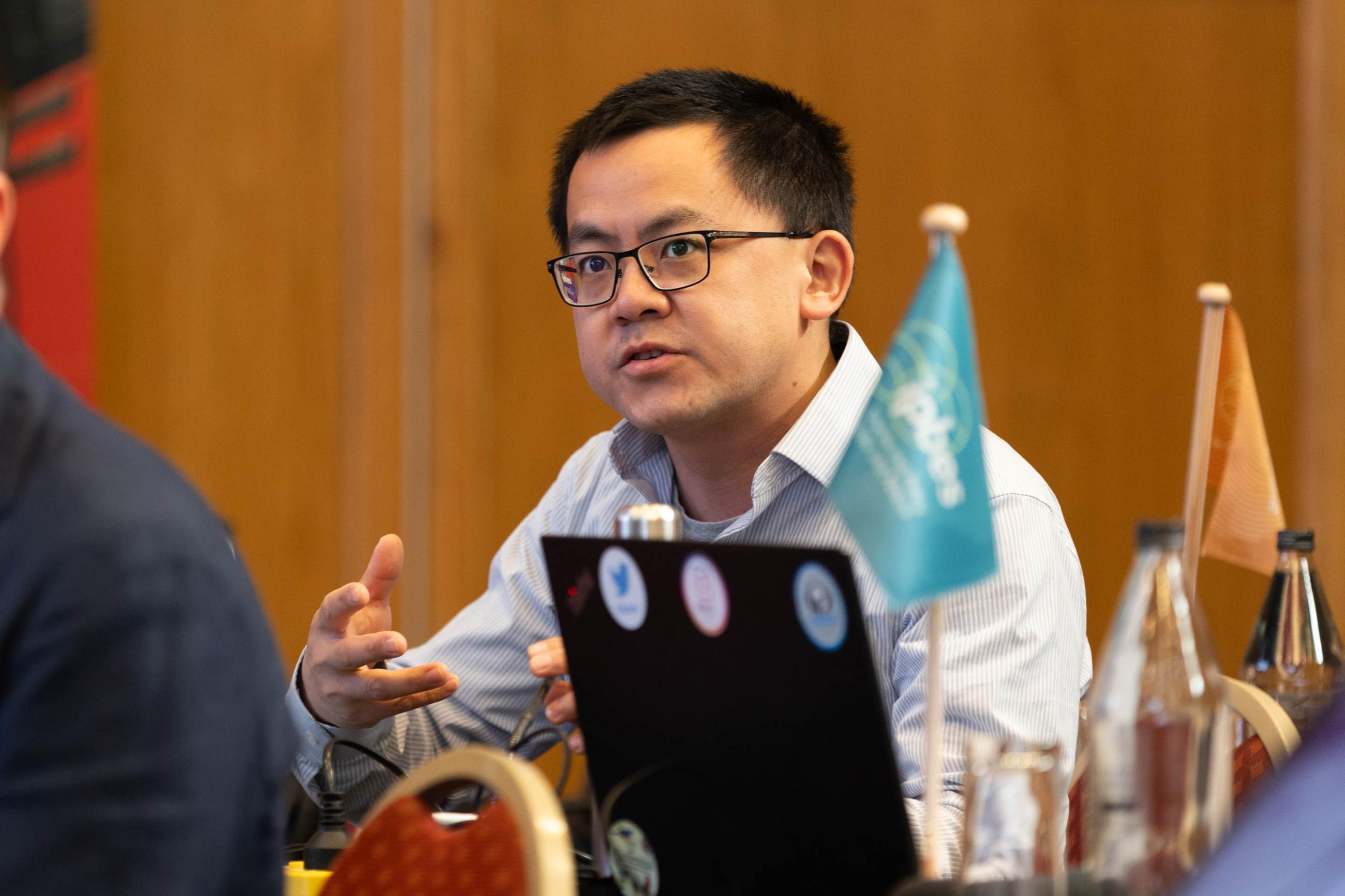
As a Coordinating Lead Author for the Intergovernmental Science-Policy Platform on Biodiversity and Ecosystem Services Transformative Change Assessment, I contribute to global efforts that synthesize scientific knowledge to inform biodiversity and sustainability policy. This work involves coordinating interdisciplinary teams, integrating diverse forms of evidence, and developing frameworks that connect ecological processes with social and economic transformations. The assessment brings together insights from natural and social sciences, as well as practitioner and indigenous knowledge, to evaluate pathways toward systemic change. Through this process, I engage with scientists, policymakers, and stakeholders across regions, helping to ensure that research findings are relevant to decision-making at multiple scales. This role reflects a broader commitment to advancing science-policy interfaces that can support more effective and equitable sustainability transitions.
Please view our Summary for Policymakers from the Transformative Change Assessment here.
Policy Engagement and Agricultural Innovation
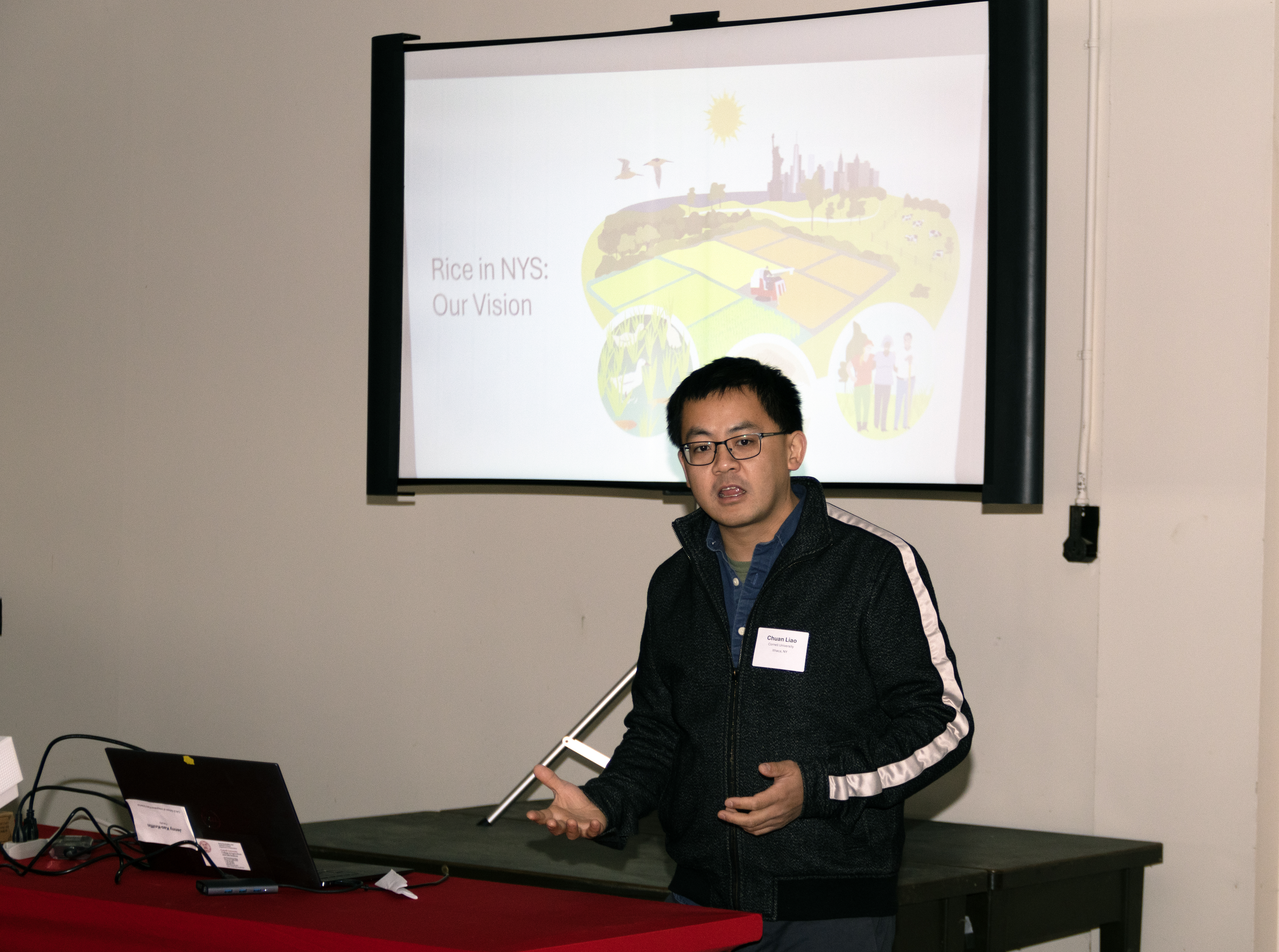
My research on climate-adaptive agriculture has informed policy discussions at the state and federal levels, particularly around the development of resilient farming systems. Work on rice-based systems in New York has been featured during a visit by Senator Kirsten Gillibrand, providing an opportunity to discuss how emerging crops and production systems can support climate adaptation, rural development, and food system resilience. This engagement has extended to conversations with legislative staff and the New York State Assembly Agriculture Committee, where research findings have been used to explore potential policy support for innovative farming practices. These interactions highlight the importance of translating research into forms that are accessible and actionable for policymakers, including evidence on economic viability, environmental benefits, and implementation challenges. More broadly, this work contributes to ongoing efforts to align agricultural policy with climate goals while supporting farmers in adapting to changing conditions.
Please learn more about our rice project here.
Community-Engaged Research with Pastoralists
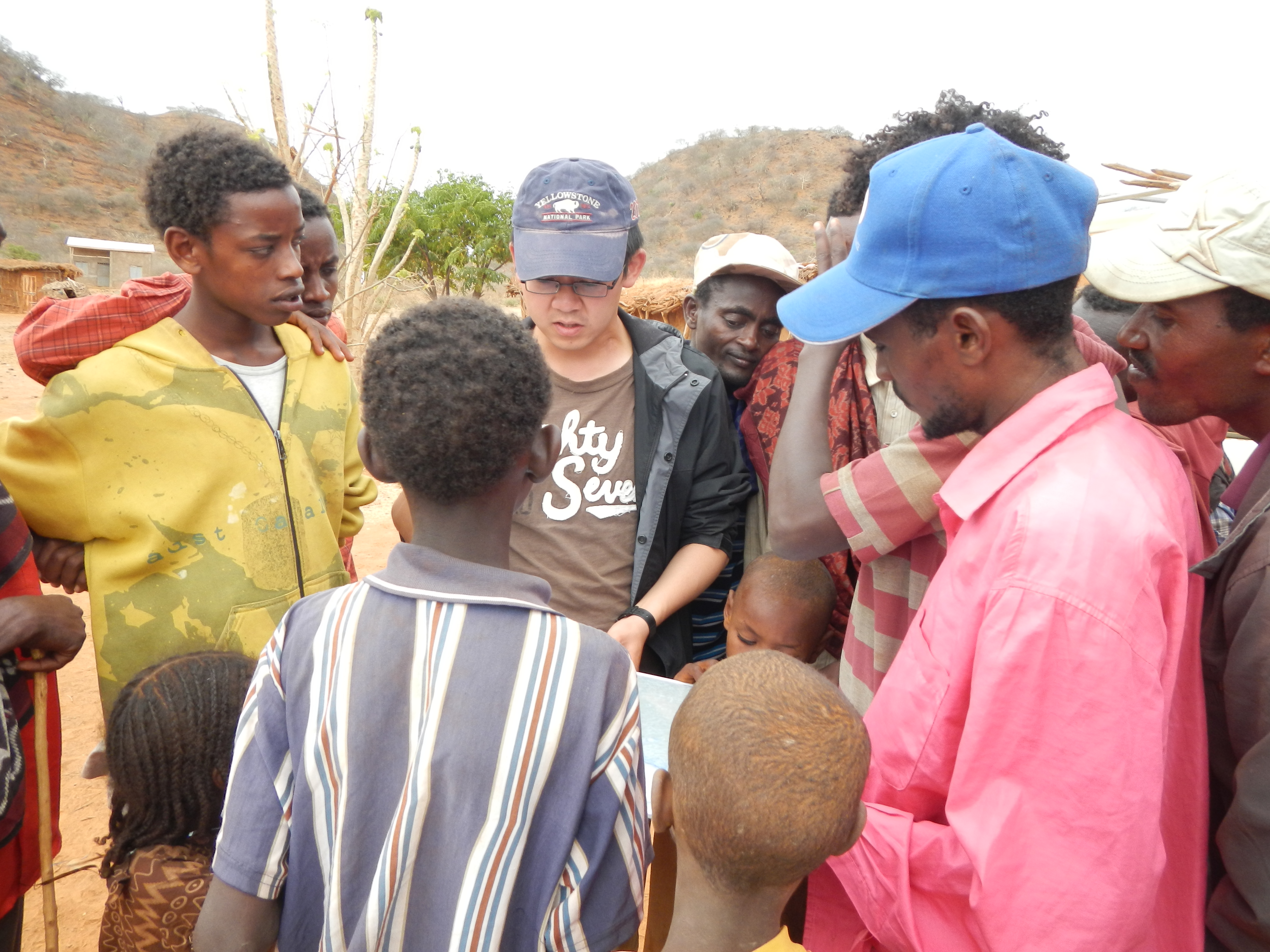
I have worked closely with pastoral communities in Ethiopia and Kenya through participatory mapping and field-based collaboration to better understand livestock mobility, resource use, and adaptation strategies in dryland systems. This work combines geospatial analysis with local knowledge to document how pastoralists navigate variable environmental conditions and institutional constraints. Through collaborative data collection and mapping exercises, we co-produce knowledge that reflects both scientific analysis and lived experience, ensuring that research outputs are grounded in local realities. The resulting maps and datasets are designed to be directly useful to communities and local organizations, supporting rangeland management, planning, and decision-making. This approach also contributes to broader discussions on the governance of pastoral systems and the recognition of mobility as a key adaptation strategy. Overall, this work reflects a commitment to inclusive research practices that prioritize engagement, reciprocity, and the practical relevance of scientific knowledge.
 Liao Research Group