Land Tenure and Land Use Change
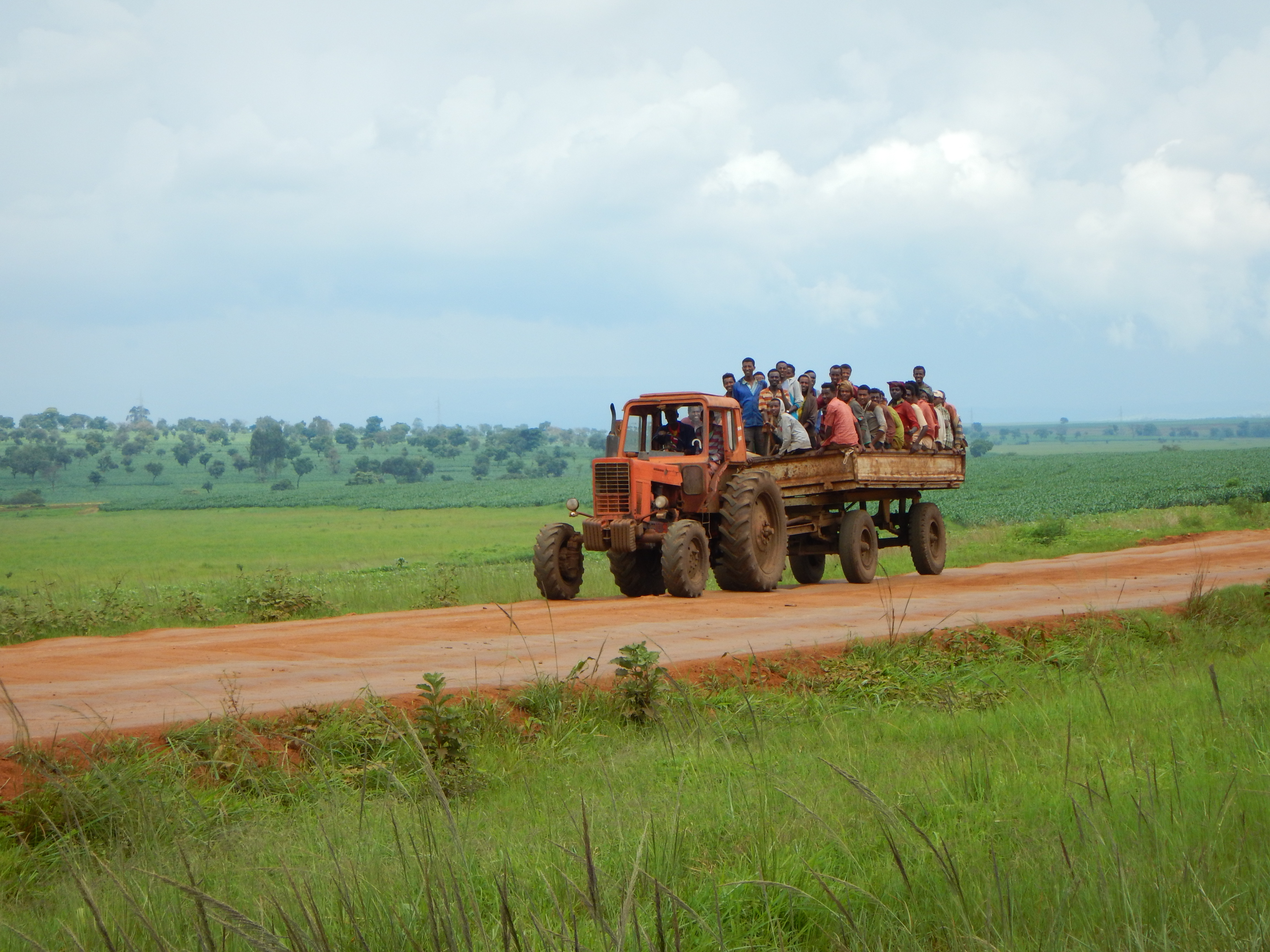
Land transactions and resulting tenure alterations change how various actors interact with the land, and the well-being of human communities and environmental systems. Control over land enables the cultivation of new commodity crops, deployment of new agricultural practices and technologies, and sale of produced commodities for new uses and markets – with associated impacts on food-energy security, human well-being, and ecological processes. The scale and pace of changes in land ownership and access has increased rapidly in the past decade across the lower-income tropical countries where the United States, together with other higher income countries, has made large investments. The far-reaching scope and impacts of such transactions need to be addressed through rigorous, quantitative analyses. Our research on large-scale land transactions focus in particular on agricultural, ecological, and food and energy security outcomes. Our research will generate new data that will be available for public use by other scholars and researchers, train scientists in the United States and build greater research capacity among our collaborators, and produce findings that will hold practical interest for decision makers in government agencies, NGOs, and donor organizations.
Dryland System Sustainability
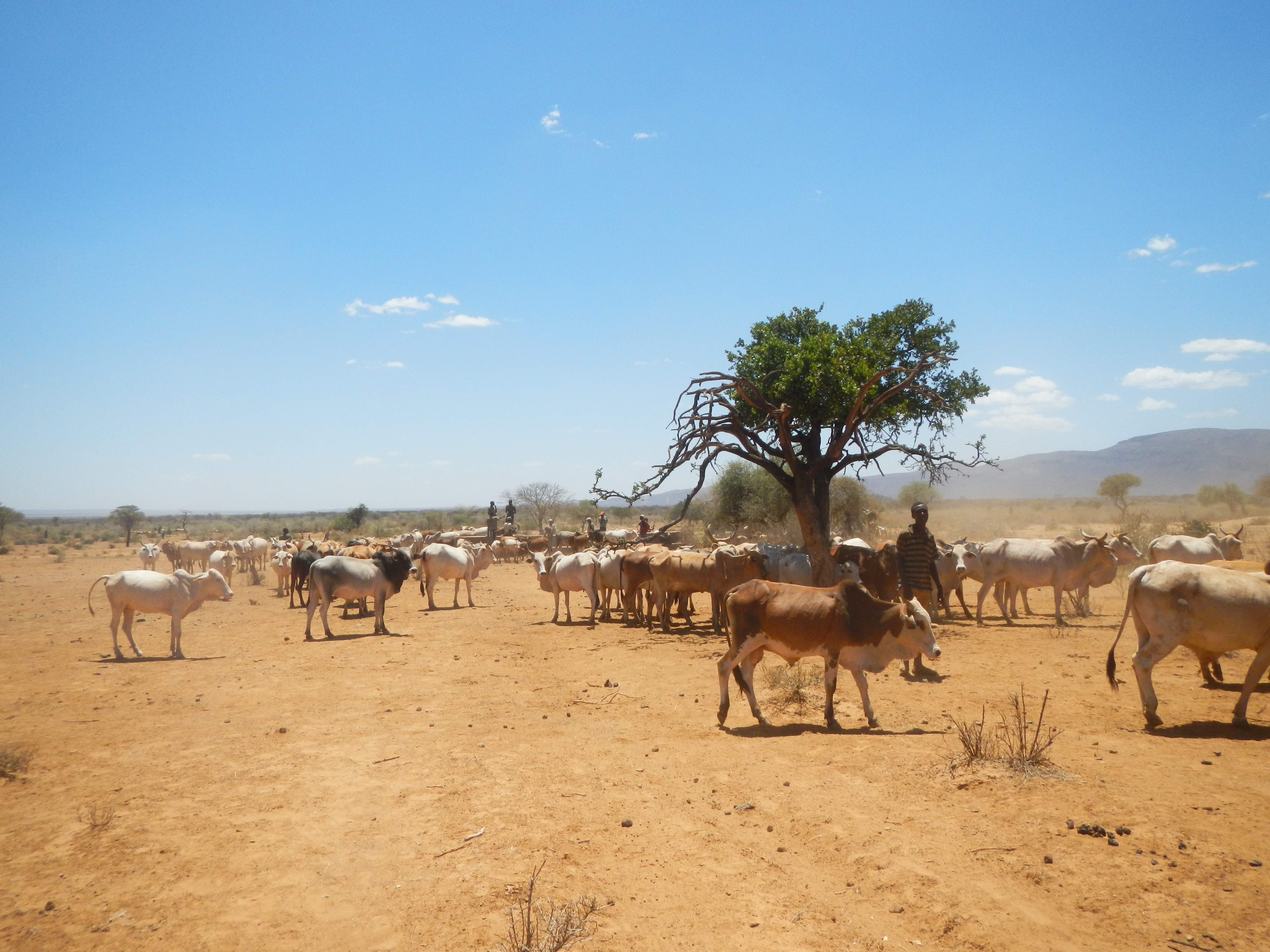
The overarching goal is to enhance the sustainability of pastoral systems by investigating the feedback mechanisms between rangeland vegetation dynamics, pastoral behaviors and well-being, and resource-use patterns in savanna-steppe biomes given emerging socio-ecological challenges. Specifically, this project aims to examine the socioeconomic and ecological effects of various mobility strategies in pastoral communities in East Africa and Central Asia by creating a novel integrated landscape dataset with information on rangeland vegetation states and transitions, livestock dynamics, herd mobility, pastoralist well-being, institutional arrangements, physical and climate variables, and socioeconomic transformations. The project applies spatiotemporal analyses and various modeling approaches to rigorously investigate the socioeconomic and ecological outcomes at regional, community, and household levels. The findings shed light on how mobility changes influence the development trajectories in the human and natural components in the coupled systems situated in rangeland contexts that cover 41% of global land area.
Sustainable Energy Transition
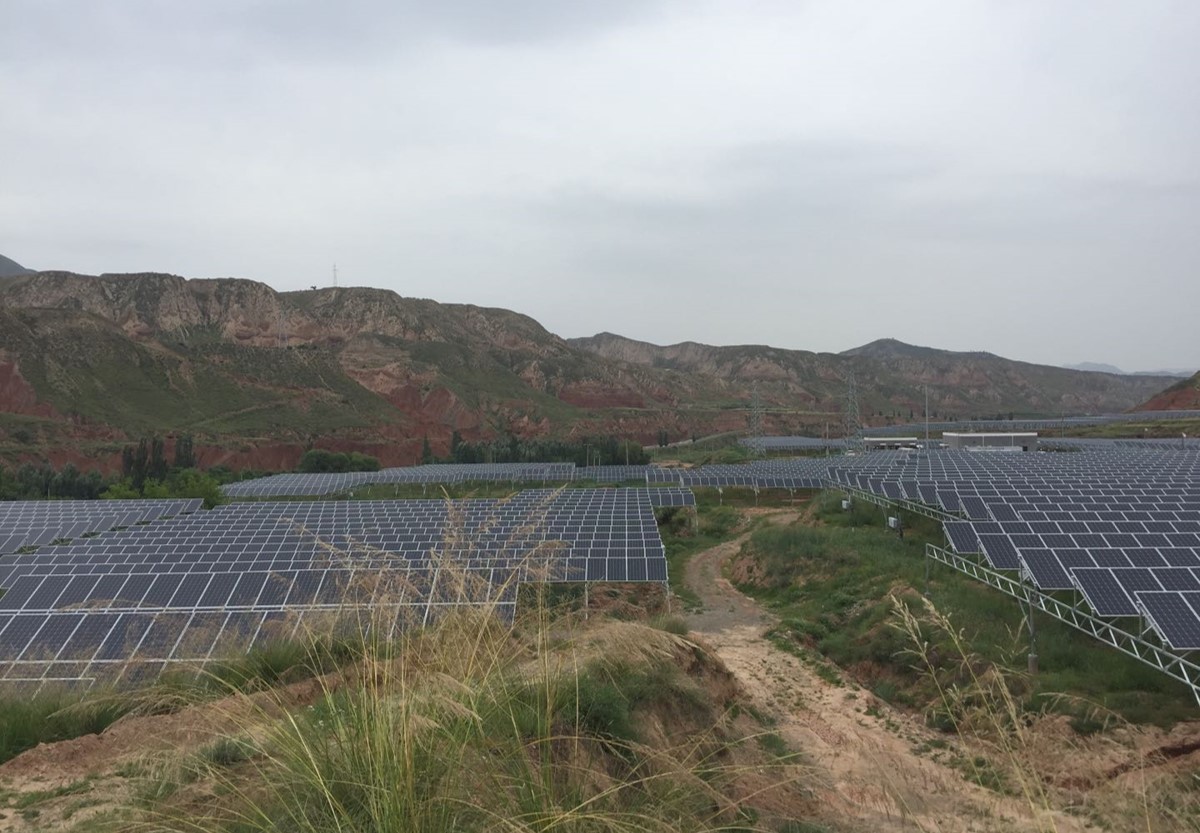
Energy transitions are taking place at an unprecedented pace in the Global South. Cheaper, cleaner energy has been the goal of many past development efforts, and today this goal is nearer our grasp than ever before. This project aims to contribute to emerging discussions in the energy transition literature that highlight the importance of understanding and theorizing the diversity, determinants, impacts, and interactions of energy transitions. At the global level, our systematic review of literature reveals various social, economic, and institutional constraints to adopting renewable energy sources, despite the potential to improve the livelihoods of poor households. At the country level, we evaluated China’s recent policy to alleviate poverty through photovoltaic (PV)-based interventions. We also collected empirical evidence from Tibetan villages in western China in 2019 to investigate the ground implementation of PV-based development interventions, and the findings show that future efforts need to sufficiently consider local contexts and demands in pastoral regions, and promote local engagement towards facilitating energy transition and poverty reduction.
Circular Bionutrient Economy and Co-benefits
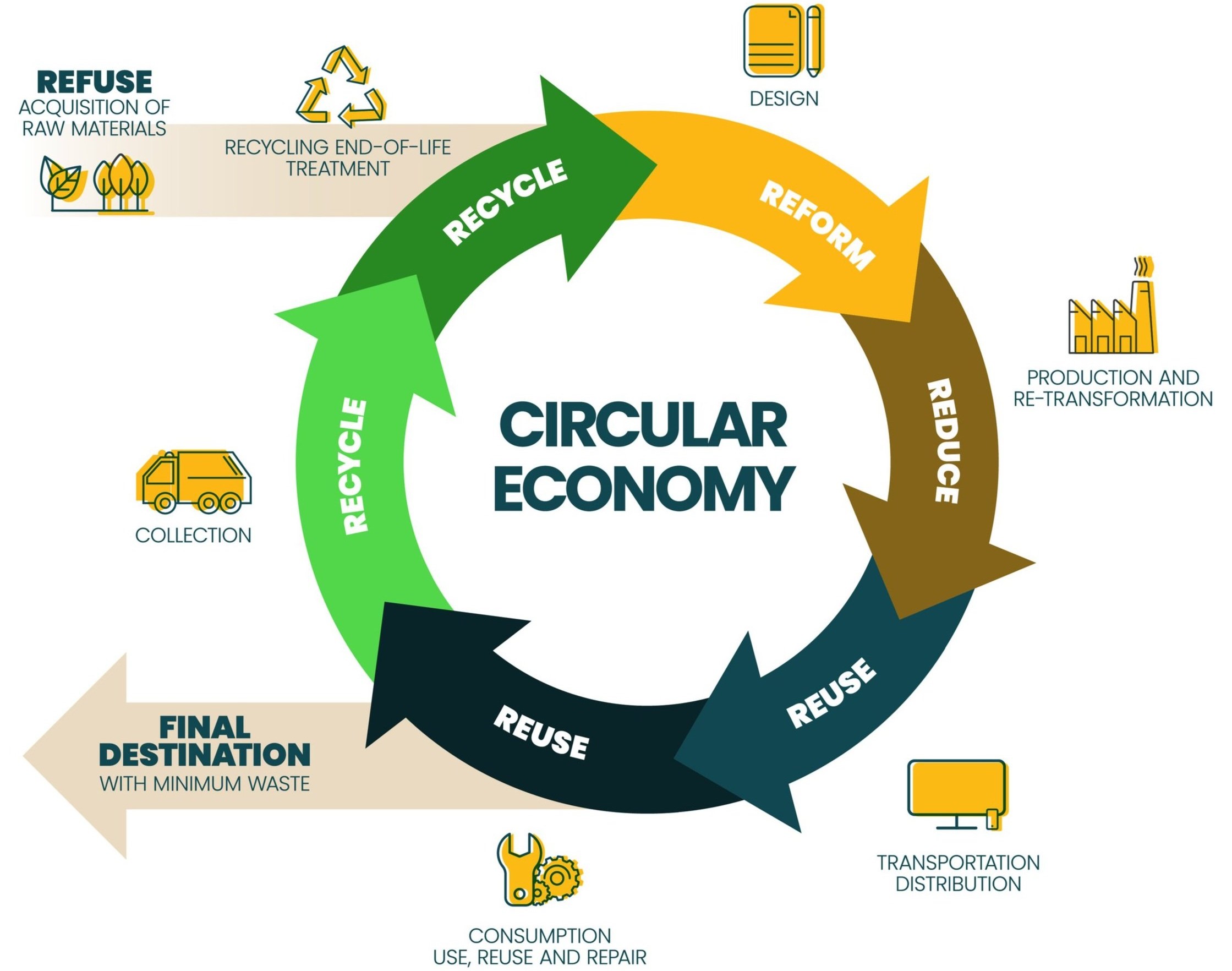
Our overarching goal is to assess the global and local potential for utilizing organic underutilized resources (OURs) to advance the circular bionutrient economy (CBE) in support of a transition to zero-carbon agriculture. Globally, 39% of people live in peri-urban areas, in proximity both to sources of carbon-rich agricultural residues produced on rural farms, and to the nutrient-rich wastes (food scraps and excreta) that are produced by urban populations. Promoting CBE can significantly reduce global dependency on unsustainably produced fertilizers, which currently account for a large fraction of agriculture’s carbon footprint. Mobilizing OURs to support peri-urban food production can support healthy diets and food system resiliency in the face of climate-related stressors. Much of agriculture’s carbon footprint comes from the production of synthetic nitrogen (synN) fertilizer made with fossil fuels. Existing global nutrient management dynamics are dominated by linear processes that are inherently unsustainable. The nutrients in mined and manufactured fertilizers eventually enter the environment as pollutants from soil runoff and/or as human and animal excreta. Worldwide, 80% of human excreta are disposed into water bodies without adequate treatment. There is a huge demand and great potential for improving the productivity and sustainability of agriculture, as well as enhancing the health of aquatic environments, through greater circularity. The CBE offers solutions at the crucial nexus of climate, water, soil health, and food security. The use of excreta-derived nutrients in agriculture is an ancient practice that is recognized as a promising alternative and/or complement to the use of synthetic fertilizers. Not only can the recovery of nutrients from sanitation reduce reliance on synN and mined phosphorus and potassium, but the use of organic materials for soil production and amendments can enable smallholder farmers to enhance soil organic carbon levels, improve soil health, and reduce carbon emissions.
Biodiversity and Ecosystem Services
I am a coordinating lead author of Chapter 2 in the Transformative Change Assessment report of Intergovernmental Science-Policy Platform on Biodiversity and Ecosystem Services (IPBES). This assessment introduces an evaluation of transformative change aimed at discerning and pinpointing elements within human society. The effort encompasses individual and group facets, ranging from behavioral, social, and cultural to economic, institutional, and technological aspects. The goal is to harness these elements to foster significant improvements in conserving, restoring, and judiciously using biodiversity. This is done while considering wider social and economic objectives aligned with sustainable development.
 Liao Research Group